Comprehending Offshore Company Formations: A Comprehensive Guide to the Refine and Benefits
Offshore firm formations provide a calculated method for entrepreneurs looking for to optimize their business operations. These entities often provide benefits such as tax advantages, boosted personal privacy, and robust property security. However, recognizing the details of selecting a territory, the development procedure, and compliance requirements is crucial. As the landscape of international organization evolves, the ramifications of developing an offshore business warrant cautious factor to consider. What actions should one take to browse this facility terrain?
What Is an Offshore Business?
An overseas company is a business entity integrated outside the jurisdiction of its proprietors' house, typically in a country with beneficial regulatory and tax settings. These business can offer numerous purposes, consisting of asset protection, worldwide trading, and riches management. They are typically established in jurisdictions understood as tax places, where corporate tax prices are reduced or missing, and privacy legislations are rigid.
Offshore business may be owned by individuals or other corporate entities and can run in numerous fields, including finance, e-commerce, and consulting. While they use specific benefits, the legal and regulatory structures governing offshore business vary considerably by territory. Company owner need to browse these intricacies to guarantee conformity with both international and local regulations. Recognizing the structure and function of overseas companies is necessary for individuals considering this option for business procedures or possession administration.
Benefits of Forming an Offshore Firm
While the decision to develop an offshore firm might come from various critical considerations, the possible advantages are compelling for several business proprietors. One significant advantage is tax obligation optimization; lots of offshore jurisdictions supply positive tax obligation rates or perhaps tax obligation exemptions, allowing business to preserve more revenues. In addition, offshore firms often give improved personal privacy security, securing the identifications of investors and directors from public scrutiny.
Lastly, company owner might find functional flexibility, as offshore jurisdictions often have fewer regulatory hurdles, making it possible for structured management and administration. Jointly, these advantages make offshore business formations an attractive choice for lots of looking for to expand their organization horizons.
Choosing the Right Territory
Picking the appropriate territory for an overseas business is an important step in making best use of the advantages described previously. Various elements influence this decision, including tax policies, company regulations, and the general business environment. Jurisdictions such as the British Virgin Islands, Cayman Islands, and Singapore are typically favored for their desirable tax obligation programs and durable lawful structures.
It is very important to take into consideration the details requirements of the service, such as personal privacy demands and regulatory compliance. Furthermore, the convenience of operating, including the effectiveness of company enrollment and banking facilities, plays a significant function.
Possible proprietors ought to additionally examine the political stability and online reputation of the chosen territory, as these elements can affect long-term success. Inevitably, extensive research and expert consultation are recommended to ensure placement with the company's objectives and to take advantage of the full capacity of offshore benefits.
The Offshore Business Development Process
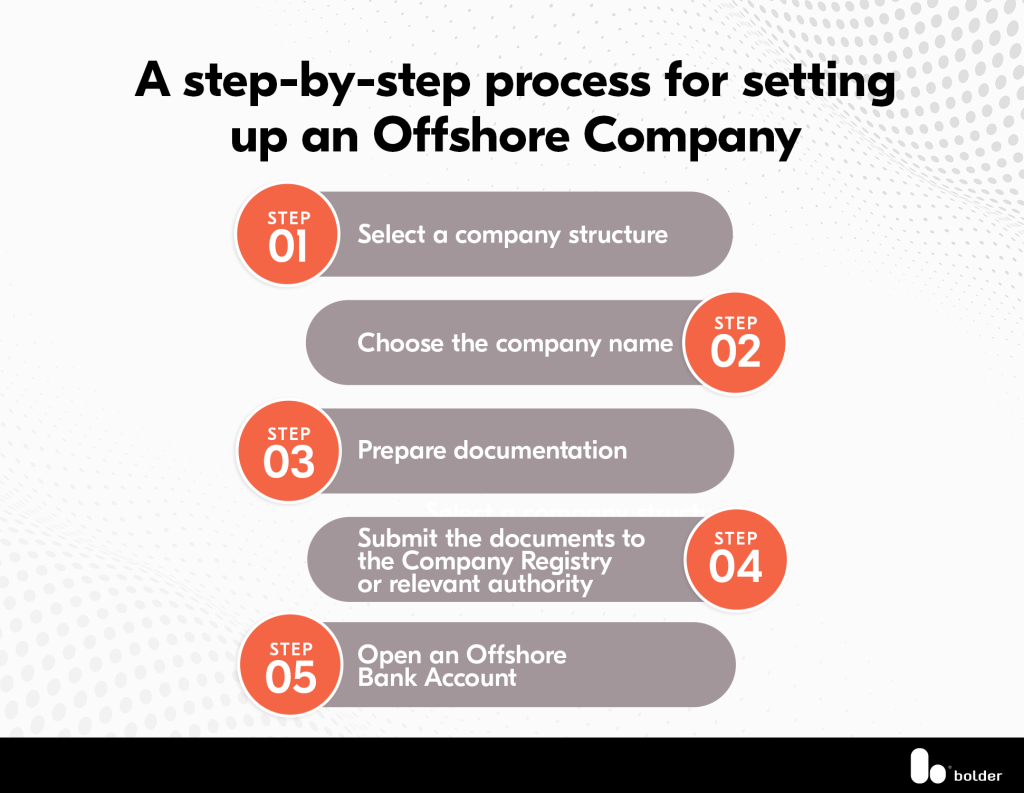
The offshore business formation process entails a series of crucial steps that call for cautious planning and execution. At first, businesses or individuals have to select an appropriate territory that straightens with their objectives, thinking about aspects such as tax obligation advantages, personal privacy, and regulatory atmosphere. Following this, the next step entails choosing the suitable organization structure, such as an International Organization Firm (IBC) or Minimal Liability Company (LLC)
Once the structure is established, essential documents, including a company plan, recognition, and evidence of address, have to be prepared. Involving a reputable local agent or provider can improve this phase, ensuring compliance with neighborhood laws. After submitting the required documentation to the appropriate authorities, the formation procedure generally finishes in the issuance of a certification of consolidation. This record establishes the company as a lawful entity, permitting it to perform organization globally.
Legal Needs and Compliance
Understanding the lawful requirements and compliance commitments is necessary for anybody looking to establish an overseas company. Each territory has specific laws that need to be stuck to, which can include firm registration, acquiring required licenses, and preserving regional addresses. Offshore Company Formations. It is vital to appoint a signed up representative who can help with communication with regional authorities and warranty compliance with ongoing reporting demands
Additionally, numerous territories require the submission of yearly economic statements, together with tax filings, even if the business does not create earnings. Directors and investors need to be determined, with due persistance procedures typically mandated to verify their identities. Failure to fulfill these lawful responsibilities can result in charges or the dissolution of the firm. Consequently, potential overseas company owners need to talk to legal experts experienced in global business legislation to browse these intricacies efficiently and ensure complete compliance with all laws.
Tax Effects of Offshore Firms
The tax effects of offshore companies present significant advantages that bring in many entrepreneurs. Comprehending the connected compliance demands is vital for navigating the complexities of worldwide tax obligation regulations. This section will explore both the potential benefits and the essential obligations connected to offshore service structures.
Tax Obligation Benefits Summary
Overseas business are usually viewed with apprehension, they can supply significant tax benefits for individuals and services seeking to maximize their financial techniques. One of the main benefits is the potential for lower corporate tax obligation go to website rates, which can lead to significant cost savings. Lots of offshore territories provide desirable tax obligation regimes, consisting of zero or marginal tax on profits, funding gains, and inheritance. Furthermore, overseas firms can assist in international service operations by lowering tax responsibilities connected with cross-border purchases. This framework may additionally make it possible for tax deferral chances, enabling earnings to grow without prompt taxes. Ultimately, these benefits contribute to boosted financial performance and asset security, making offshore companies an attractive choice for savvy capitalists and entrepreneurs.
Compliance Needs Discussed
Offshore firms may provide tax obligation advantages, however they additionally come with a set of conformity needs that should be very carefully browsed. These entities are subject to certain reporting commitments, which vary significantly depending upon the jurisdiction. Usually, overseas companies should preserve precise financial records and submit Home Page annual monetary declarations to adhere to neighborhood policies. In addition, many territories require the disclosure of beneficial possession to battle cash laundering and tax obligation evasion. Failure to follow these conformity measures can cause extreme fines, consisting of fines and possible loss of service licenses. Understanding the neighborhood tax legislations and worldwide arrangements is vital, as they can influence tax liabilities and total operational legality. Involving with economic and lawful experts is recommended to assure full conformity.
Maintaining and Managing Your Offshore Business
Maintaining and taking care of an offshore company involves adhering to numerous ongoing compliance needs important for legal operation. This includes thorough economic document maintaining and an understanding of tax obligations significant to the firm's territory. Efficient administration not only guarantees regulative compliance however also supports the company's monetary wellness and longevity.
Continuous Conformity Requirements
Guaranteeing ongoing conformity is essential for any type of entity operating in the offshore market, as failure to satisfy regulatory needs can cause substantial charges or perhaps dissolution of the business. Offshore companies must comply with neighborhood legislations, which might include annual filing of financial declarations, payment of necessary fees, and preserving an authorized workplace address. Furthermore, business are usually needed to appoint a regional representative or rep to assist in interaction with authorities. Normal updates on changes in regulation or tax obligation demands are vital for conformity. Adherence to anti-money laundering (AML) and know-your-customer (KYC) laws is important. By keeping arranged documents and remaining educated, offshore business can guarantee they remain compliant and alleviate risks linked with non-compliance.
Financial Record Keeping
Reliable economic record maintaining is vital for the successful monitoring of any type of offshore firm. Maintaining precise and detailed financial records aids in tracking the firm's efficiency, assuring compliance with regional regulations, and promoting notified decision-making. Firms ought to implement systematic procedures for documenting income, expenses, and deals to develop openness and liability. Utilizing accounting software program can improve this process, permitting real-time financial analysis and coverage. Regularly evaluating financial statements assists identify trends, assess earnings, and take care of capital effectively. Additionally, it is important to securely save these documents to secure sensitive details and guarantee very easy access throughout audits or monetary testimonials. By prioritizing precise economic record keeping, offshore firms can boost functional efficiency and support long-term success.
Tax Obligation Obligations Summary
Understanding tax obligation obligations is crucial for the correct management of an offshore firm, as it straight influences monetary performance and conformity. Offshore firms might be subject to different tax obligation regulations relying on their jurisdiction, consisting of corporate tax obligations, value-added tax obligations, and withholding tax obligations. It is imperative for local business owner to stay informed concerning their tax obligation obligations, as failure to conform can bring about charges and legal concerns. In addition, many offshore jurisdictions use tax obligation rewards, which can greatly profit companies if browsed correctly. Engaging an educated tax advisor or accounting professional specializing in international tax regulation visite site can assist ensure that companies satisfy their commitments while enhancing their tax strategies. Eventually, attentive tax management contributes to the total success and sustainability of an overseas entity.
Often Asked Inquiries
Can I Open Up a Bank Account for My Offshore Business From Another Location?
The ability to open up a savings account for an overseas firm remotely depends on the financial institution's plans and the jurisdiction's laws. Many banks offer remote services, but particular needs might differ significantly between institutions.
What Are the Expenses Included in Developing an Offshore Firm?
The costs entailed in forming an overseas business typically consist of registration costs, legal and consulting costs, and recurring maintenance charges. These expenses vary significantly based upon territory, intricacy of business structure, and details solutions required.
Are There Restrictions on Who Can Be a Shareholder?
Restrictions on investors vary by jurisdiction. Some nations may enforce limitations based on residency, company, or race type - Offshore Company Formations. It's crucial for prospective investors to study details regulations suitable to their chosen offshore place
How Long Does the Offshore Business Formation Process Normally Take?
The offshore company formation procedure typically takes in between a couple of days to a number of weeks. Factors influencing the timeline consist of territory needs, file preparation, and responsiveness of appropriate authorities included in the enrollment process.
What Happens if I Fail to Comply With Neighborhood Legislations?
Failure to abide by regional regulations can lead to serious charges, consisting of penalties, lawful activity, or loss of company licenses - Offshore Company Formations. It may likewise harm the business's track record and prevent future organization chances in the territory
An overseas firm is a service entity integrated outside the jurisdiction of its owners' residence, typically in a country with beneficial regulative and tax settings. One substantial advantage is tax obligation optimization; numerous offshore jurisdictions offer favorable tax obligation prices or also tax exceptions, enabling business to retain even more earnings. Offshore companies are often viewed with hesitation, they can provide significant tax advantages for people and services seeking to enhance their financial techniques. In addition, overseas firms can facilitate worldwide organization operations by decreasing tax responsibilities linked with cross-border deals. Offshore firms might be subject to various tax laws depending on their jurisdiction, including corporate tax obligations, value-added taxes, and withholding taxes.